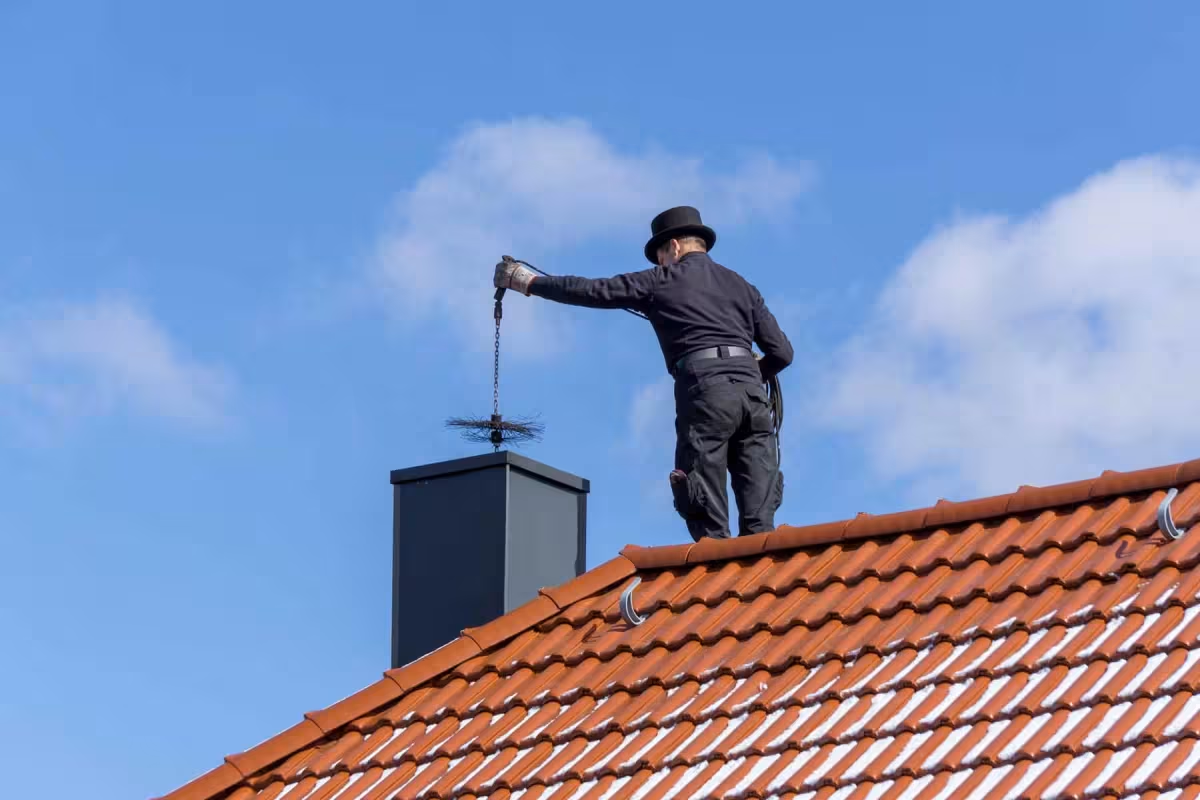
I have spent many years in the chimney repair and maintenance business in Greater London and have seen many problems, both small and serious. One thing that surprises me is the lack of awareness among new homeowners about the dangers of a poorly maintained chimney. If you’ve just bought a home with a chimney, this article is for you.
So I want to offer some key chimney safety tips that I always give my clients – drawn from both best practice and lessons learned.
1. Inspect the Chimney Before Using
My first piece of advice to new homeowners is: don’t build a fire in a fireplace or stove until it has been inspected. You can’t judge the condition of a chimney just by looking at it. There could be cracks or blockages, or built-up creosote that you can’t see. An inspection will ensure it is safe to use.
2. Know What Kind of Chimney You Have
There are different types of chimneys. You may have a masonry chimney, or a metal or pre-fabricated flue. Different types have different maintenance and safety inspection requirements. A service provider can help you determine what type you have and what that means in terms of maintenance.
3. Book an Annual Chimney Sweep
This is especially necessary if you don’t use your fireplace very often, but it should be done at least once a year. I have seen jobs where people have left it too long and have had to deal with excessive creosote or bird nesting in the flue. A yearly sweep removes soot, debris and other obstructions that can lead to chimney fires and carbon monoxide poisoning.
4. Get a Chimney Cap
If you don’t already have a chimney cap, install one. A chimney cap helps to keep water, birds, squirrels and debris out. It also blocks downdrafts responsible for sending smoke and fumes back into your house. I have repaired many leaks and infestations that would have been avoided by installing a cap.
5. Know the Signs. There are several signs that something may be wrong with your chimney
A range of symptoms can indicate a problem with your chimney. These include:
- Smoke is backing up into the room
- An unpleasant smell
- Bits of brick or mortar falling into the fireplace
- White discolouration (efflorescence) on the outside of the wall
- Drips and wetness in the fireplace
These are signs that it’s time to call a chimney sweep.
6. Watch out for Carbon Monoxide
Carbon monoxide is an odourless, colourless gas that can be deadly if it builds up in your home. Leaks are most common in poorly vented chimneys. Be sure to have a carbon monoxide alarm in the area of your fireplace or stove. I make a point to remind all new homeowners, but particularly those with old chimneys, of this.
7. Use the Right Fuel
What you burn matters. Hardwoods such as oak or ash burn cleaner and hotter than softwoods or green, wet wood, which produces more creosote. Don’t burn painted or treated wood, rubbish or coal in a wood stove unless it’s coal-burning. I often discover that issues with chimneys begin with the fuel burned.
8. Be Careful With the Fireplace or Stove
Make sure you understand how to operate your fireplace or stove properly. That means opening the damper prior to starting a fire, having a fireguard or screen in place, and never leaving a fire alone. This may seem like a no-brainer, but you would be amazed at how many people forget these simple rules when they are eager to light a fire for the first time in their new home.
9. Waterproof Your Chimney
Brickwork can take a beating in London. Water damage can cause your chimney to crack and degrade. I usually suggest using a breathable waterproof solution to stop water getting in, particularly if your chimney is exposed.
10. Know When to Call a Professional
There are also times to call a professional. If you think your flue is blocked or damaged, or have concerns with your flue or liner, contact us. We at The Chimney Experts are always eager to assist and can provide peace of mind that your chimney is safe.
It’s great having a home with a chimney – it’s attractive, warm, and can increase the value of your home. But it does come with responsibilities. I hope the above advice helps keep you safe and reassured in your new home.
If you have any questions or would like us to inspect your chimney, please don’t hesitate to contact us. We have years of experience in Greater London, and can help keep your chimney safe.