
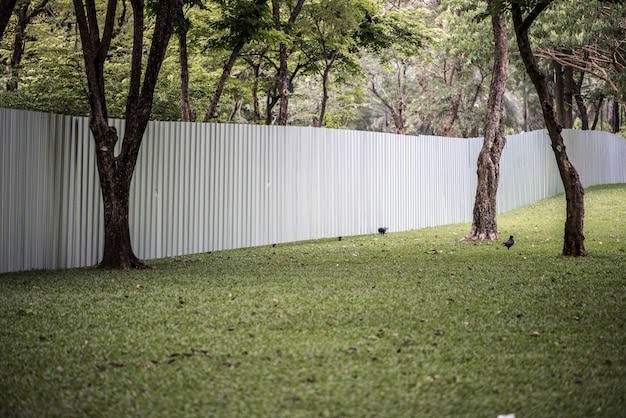
Keeping a boundary clean helps a property look well maintained. A pvc fence is popular because it needs less upkeep than traditional materials, but dirt, pollen, algae, and weather marks can still build up over time. A simple care routine protects its appearance and helps homeowners notice small problems before they become costly repairs.
1. Rinse Away Everyday Dirt
Start by rinsing your pvc fence with a garden hose to remove loose dust, leaves, and grass clippings. Work from the top downward so dirty water does not run over areas you have already cleaned.
Regular rinsing is useful after gardening or storms. It also reduces the amount of scrubbing needed during a seasonal clean.
2. Use Gentle Cleaning Solutions
For stains, mix mild household soap with warm water and apply it using a soft cloth or soft-bristle brush. Clean your pvc fence in small sections, then rinse thoroughly before the solution dries.
Avoid abrasive powders, wire brushes, and harsh solvents because they may scratch or dull the surface. Always test any cleaner in a discreet spot first.
3. Treat Stubborn Stains Carefully
Shaded or damp areas may develop green algae, mildew, or dark marks. To clean a pvc fence, choose a cleaner approved by its manufacturer and follow the label instructions.
Never mix cleaning chemicals, especially bleach with other products. Protect nearby plants, wear gloves, and rinse the area well. If a stain remains, seek product-specific advice instead of using aggressive chemicals.
4. Be Careful With Pressure Washers
A pressure washer can speed up cleaning, but excessive pressure may damage panels, joints, or post caps. Before washing a pvc fence, check the manufacturer’s recommendations and begin with the lowest effective setting from a safe distance.
Use a wide spray rather than a concentrated jet, and keep the nozzle moving. A garden hose and soft brush are often sufficient for routine care.
5. Inspect Posts, Gates, and Panels
Cleaning provides a good opportunity to check the structure. Examine your pvc fence for cracked panels, loose post caps, leaning posts, damaged brackets, or gates that drag and fail to latch.
Tighten or adjust hardware where appropriate, and arrange repairs for structural damage. Check the fence again after strong winds or heavy storms, when movement or impact may have caused problems.
6. Prevent Damage Throughout the Year
Good habits help keep a pvc fence in better condition between washes. Trim plants so branches do not press against panels, and avoid hitting the surface with lawn equipment.
Do not hang heavy items from rails or let children swing on gates. Clean when needed rather than waiting for heavy buildup, and follow the manufacturer’s care guidance for your product.
Final Thoughts
A pvc fence can stay attractive with occasional rinsing, gentle soap, careful stain treatment, and regular inspections. Avoid abrasive tools and strong chemicals unless the manufacturer specifically approves them, and use pressure washers cautiously. By following a consistent maintenance routine and addressing damage early, homeowners can preserve their fence’s appearance, reduce unnecessary repairs, and keep their outdoor spaces looking neat.